The Ultimate Guide To Building A Home Gym On A Budget
Working out at home is more popular than ever, but setting up a home gym can feel expensive if you don't know where to start. The truth is, you don't need fancy machines or an entire garage filled with gear. With a brilliant plan and a few budget-friendly purchases, you can build a functional home gym for less than the cost of a yearly gym membership.
This guide covers equipment options, affordable shopping strategies, and sample setups at different budget levels. By the end, you'll know exactly what to buy, where to buy it, and how to maximise your space.
Step 1: Decide On Your Fitness Goals
The first mistake people make is buying random gear without thinking about their goals. Start here:
Weight Loss & Cardio Focus
Keep it light and affordable. Jump ropes, resistance bands, and bodyweight circuits will burn calories without requiring big machines.
Strength & Muscle Building
Invest in dumbbells, a bench, and a barbell setup if your budget allows. These pieces will enable you to overload progressively, which is key to building muscle.
Balanced General Fitness
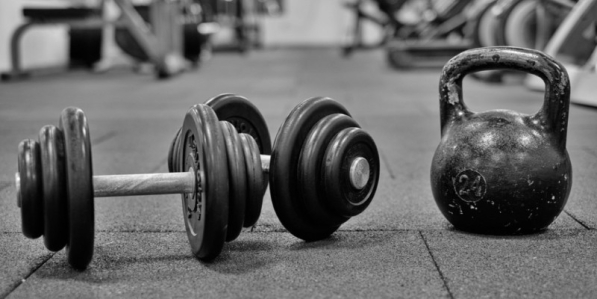
A mix of cardio options (such as a jump rope or a used treadmill) and strength equipment (adjustable dumbbells, kettlebells) provides flexibility without overspending.
Step 2: Budget-Friendly Equipment Essentials
These items give you the most “bang for your buck” and cover strength, cardio, and flexibility needs:
Resistance Bands ($10–$30)
- Versatile: squats, presses, rows, rehab, mobility.
- Portable for travel.
- Brands to check: Fit Simplify, WODFitters.
Adjustable Dumbbells ($60–$300)
- Replace a whole rack of weights.
- Bowflex SelectTech 552 (up to 52.5 lbs) or Yes4All Adjustable Dumbbells (budget-friendly plate-loaded option).
Kettlebells ($20–$80 Each)
- Great for swings, squats, presses, and conditioning workouts.
- Look for CAP Barbell or Rogue Fitness, depending on your budget.
Pull-Up Bar ($25–$60)
- Fits in a doorway. Can also anchor resistance bands.
- Iron Gym and Perfect Fitness Multi-Gym are solid choices.
Jump Rope ($10–$20)
- Affordable cardio option that rivals running.
- Weighted jump ropes, such as Crossrope, offer an extra challenge.
Bench Or Step Platform ($60–$150)
- Expands exercise variety with presses, step-ups, rows, and dips.
- Adjustable benches from Marcy or Fitness Reality are affordable.
Yoga Mat ($20–$40)
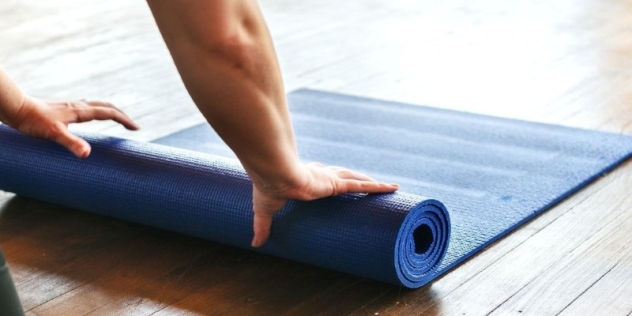
- For stretching, core training, and floor exercises.
- Brands like Manduka and Gaiam strike a balance between quality and cost.
Step 3: Save Money with Smart Shopping
The cost of fitness equipment ranges widely, but these strategies help stretch your budget:
Buy Used Equipment
Many people abandon gear after a month. Check Facebook Marketplace, Craigslist, and local stores like Play It Again Sports. A $600 treadmill often sells used for $200–$300.
Shop During Sales
Black Friday, New Year’s (fitness resolution season), and Amazon Prime Day are the best times to buy.
Compare Brands
A set of Amazon Basics dumbbells often works just as well as premium ones for half the cost.
Look For Bundles
Resistance band sets, kettlebell pairs, or adjustable dumbbell kits often offer savings of 20–30% compared to purchasing items individually.
Step 4: Affordable Cardio Options
You don’t need a Peloton or $2,000 treadmill to get in shape. Try these options:
- Jump rope ($10–$20): Burns 10–12 calories per minute.
- Consider a used treadmill or bike ($200–$500): Check brands like ProForm or Sunny Health & Fitness.
- Rowing machine ($250–$600): The Concept2 RowErg is pricier but holds value if you upgrade later.
- Bodyweight cardio (free): High knees, burpees, and mountain climbers provide solid conditioning.
If space is tight, prioritise bodyweight and jump rope workouts before investing in bulky machines.
Step 5: Organise Your Space
A messy workout space kills motivation. Here’s how to make the most of any room:
- Garage setup: Best for barbells and racks. Add rubber stall mats to protect the floor.
- Living room corner: Compact gear, such as bands and adjustable dumbbells, fits easily in storage bins.
- Spare room/basement: Ideal for mid-sized setups with benches, bikes, or rowing machines.
Storage hacks:
- Wall hooks for bands and ropes.
- Dumbbell racks or shelving for weights.
- Plastic bins for smaller gear.
Step 6: Flooring on a Budget
Protecting your floor and reducing noise is worth the investment:
- Interlocking foam mats ($30–$80): Lightweight and easy to move.
- Rubber stall mats ($50–$70 each): Available at Tractor Supply, these mats are durable for heavy lifting.
- Yoga mats ($20–$40): Sufficient for bodyweight training.
Step 7: Free & Low-Cost Training Resources
Cut coaching costs by tapping into these resources:
- YouTube channels: FitnessBlender (general fitness), Caroline Girvan (strength), HASfit (beginner-friendly).
- Apps: Nike Training Club (free version), FitOn (free workouts), StrongLifts 5x5 (strength program).
- PDF programs: Many brands include free guides with purchase.
These help you get the most out of your gear without paying for a trainer.
Step 8: Mix DIY And Budget-Friendly Alternatives
Not every piece of equipment needs to come from a store. With a bit of creativity, you can replace pricier gear with household items:
- Backpack with books or water bottles: Works like a weighted vest or sandbag for squats, lunges, and presses.
- Sturdy chair or ottoman: Substitute for a bench for step-ups, dips, or incline push-ups.
- Towels or sliders: Place them under your feet for core workouts, such as mountain climbers or hamstring curls.
- PVC pipe or broomstick: Helps with stretching, mobility, and practising barbell movements.
DIY gear may not last forever, but it's ideal for starting without incurring extra expenses.
Example Budget-Friendly Home Gym Setups
Here’s how different budgets can look:
Starter Setup ($150–$250)
- Resistance bands ($25)
- Adjustable dumbbells (basic, $100)
- Yoga mat ($25)
- Jump rope ($15)
Suitable for: beginners, small spaces, and general fitness.
Mid-Level Setup ($400–$700)
- Adjustable dumbbells ($250)
- Kettlebells ($100)
- Bench ($100)
- Pull-up bar ($40)
- Interlocking mats ($60)
Suitable for balanced workouts that incorporate both strength and conditioning.
Advanced Setup ($1,000–$1,500)
- Adjustable dumbbells ($300)
- Power rack with barbell + plates ($600–$800)
- Rowing machine ($600)
- Rubber flooring ($200)
Suitable for: serious strength training and long-term investment.
Conclusion: Build Smart, Not Expensive
A home gym doesn't have to cost thousands of dollars. With resistance bands, a jump rope, and affordable dumbbells, you can start training today. From there, add kettlebells, benches, or even a power rack when your budget allows. Whether you have $200 or $1,500 to spend, the key is to buy versatile, durable equipment and utilise free resources to stay consistent.