The Ultimate Guide To Yoga For Stress Relief And Anxiety
If you're feeling overwhelmed, burned out, or anxious, it’s normal—and there are ways to cope. Yoga is an accessible and affordable method to reduce stress and restore calm. Whether you’re managing a demanding job, raising kids, or navigating a stressful phase, yoga can help reset your nervous system and provide tools to handle it better.
This guide is designed for people looking for practical solutions. You’ll find out which yoga styles work best for anxiety, how to start even if you're a beginner, which classes and gear are worth trying, and how to build a routine that fits your life.
What Makes Yoga So Effective For Stress And Anxiety?
Yoga isn’t just about flexibility. It combines physical movement, breath control, and mental focus to create a calming effect on both the body and the brain.
Studies have shown that yoga can lower cortisol (a stress hormone), activate the parasympathetic nervous system (rest-and-digest mode), and reduce symptoms of anxiety and depression. It works both in the moment and long-term, which makes it more effective than many quick fixes like scrolling on your phone or caffeine.
Key benefits include:
- Lower heart rate and blood pressure
- Improved sleep quality
- Better emotional regulation
- Reduced muscle tension
- Increased mental clarity
Best Types Of Yoga For Stress And Anxiety
Not all yoga is the same. If your main goal is to relieve stress and feel more grounded, skip the intense, sweat-heavy classes and look for these styles:
Restorative Yoga
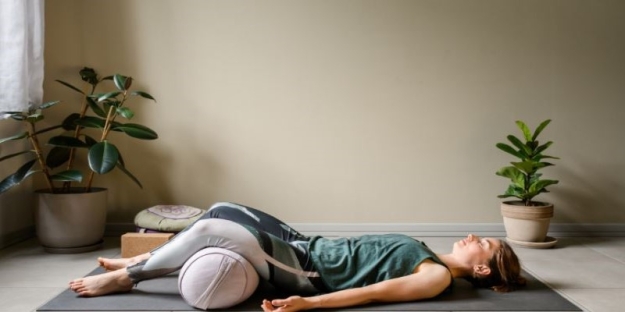
This is slow, gentle, and mostly done lying down or seated. You’ll hold poses for several minutes using props like blankets, bolsters, and blocks. It’s great for people who feel drained or wired.
Recommended Class Options:
- Yoga International’s “Restorative Yoga for Stress” series
- Glo’s “Evening Wind Down” classes
- Gaia’s Restorative Yoga library
Yin Yoga
Yin focuses on long, passive stretches that target connective tissue. It’s deeply meditative and ideal for releasing physical and emotional tension.
Best For: People with tight hips, back pain, or who sit at a desk all day.
Top Platforms:
- Sarah Powers’ Insight Yoga programs
- DoYogaWithMe’s Yin Yoga for Beginners
Hatha Yoga
This traditional form of yoga is slower-paced than Vinyasa and focuses on basic poses and breath awareness. It’s a good starting point if you’re new to yoga and want a gentle but active class.
Where to Try:
- Alo Moves (free trial available)
- YouTube: “Yoga With Adriene – Hatha Yoga for Anxiety”
Yoga Nidra
Also called yogic sleep, this is a guided meditation that takes you into a deep state of rest. It’s done lying down and requires no movement.
Best For: Bedtime, panic attacks, burnout.
Top Picks:
- Insight Timer app (tons of free Yoga Nidra recordings)
- Headspace and Calm (premium guided sessions)
Practical Tips To Get Started
You don’t need a studio membership or fancy gear. Just 10–15 minutes a day can make a difference. Here’s how to make it easy to stick with:
Choose The Right Time
- Morning: Helps set a calm tone for the day.
- Lunch break: Breaks the stress cycle mid-day.
- Evening: Clears your head before sleep.
Set Realistic Goals
Start with short sessions. Don’t aim for 60 minutes right away. Consistency beats duration.
Create A Calm Space
Pick a quiet corner in your home. Add a mat, maybe a blanket, or a candle. This becomes your go-to spot for relief.
Try Guided Classes
You don’t have to figure it out on your own. Use free or paid apps to follow along.
Top Yoga Apps For Stress Relief:
- YogaGlo – Known for mindfulness-focused classes
- Down Dog – Customize class types, duration, and pace
- Alo Moves – High production quality and calming instructors
- Insight Timer – Best free app for meditation + yoga
Recommended Products For A Calming Practice
If you want to invest in your practice, these items are worth the money:
- Yoga Mat: Manduka PROLite or Liforme are popular for comfort and grip.
- Bolster: Hugger Mugger or Gaiam yoga bolsters support deeper relaxation.
- Blanket: A thick cotton yoga blanket helps support poses and adds warmth.
- Eye Pillow: Savasana becomes much more effective with one of these (look for lavender-scented for extra calm).
- Bluetooth Speaker: Play guided meditations or calming music without checking your phone.
Most of these are available on Amazon, REI, or specialty yoga retailers. Look for sales during seasonal wellness promotions (January, spring refreshes, and pre-holiday sales).
Realistic Yoga Routines For Everyday Stress
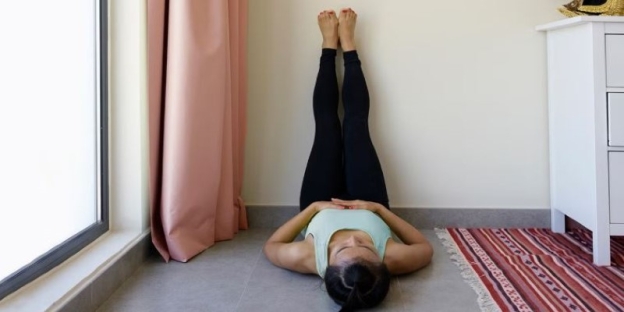
Depending on how much time you have, here are some sample routines:
10-Minute Reset
- Seated breathwork (2 min)
- Cat/Cow stretches (2 min)
- Child’s Pose (2 min)
- Legs up the wall (3 min)
- Deep breathing in Savasana (1 min)
20-Minute Evening Routine
- Gentle Hatha flow (5 min)
- Supine twist and forward fold (5 min)
- Supported Bridge Pose on bolster (5 min)
- Yoga Nidra or guided body scan (5 min)
30–40 Minute Weekend Practice
- Yin Yoga class online
- Journaling afterward (optional) to reflect on what came up
When To Expect Results
Some people feel better after the first session. Others notice gradual shifts over a few weeks. What matters most is consistency. Aim for 3–5 times a week, even if they’re short sessions.
Over time, you'll likely notice:
- Fewer physical symptoms of anxiety (tight chest, tense neck)
- More patience and focus during stressful situations
- Better sleep patterns
- Less emotional reactivity
Final Thoughts: Choosing The Best Option For You
If you're new to yoga, start with short, guided classes focused on relaxation. Use apps like Insight Timer or Down Dog to experiment with styles at your own pace. If you're comfortable spending a little, try a 7-day trial of Alo Moves or YogaGlo to see what clicks for your needs and lifestyle.
For those with chronic stress or anxiety, building a simple routine with Restorative Yoga or Yoga Nidra can be more effective than pushing through intense workouts or endless talk therapy sessions alone. The most important step is just to start—one breath, one pose, one moment of calm at a time.