Want To Improve? Try The Best Baseball Drills
Ever wondered why some baseball players seem to have lightning-quick reactions, powerful swings, and flawless fielding? It's not magic — it's practice, and not just any practice. The proper drills can shape a player's performance, sharpen their instincts, and build confidence on the field. Let's walk through some of the most effective drills that can benefit players at any level.
Batting Drills To Build Consistency
Hitting a baseball isn’t just about strength. It’s a balance of timing, hand-eye coordination, and technique. These drills keep swings sharp and adaptable.
Soft Toss Drill
Stand to the side of the batter and gently toss the ball underhand toward their strike zone. This helps players focus on mechanics without worrying about pitch speed. The repetition reinforces muscle memory and encourages consistent contact.
Two-Tee Drill
Set up two batting tees, one slightly in front of the other. The idea is to hit the ball off the front tee while missing the ball behind it. This improves swing path, ensuring players avoid dropping their back shoulder or swinging under the ball.
High And Low Pitch Drill
Place tees at different heights. Practising hitting high and low balls teaches players to adjust their swing plane and handle pitches in various parts of the strike zone.
Fielding Drills To Sharpen Defence
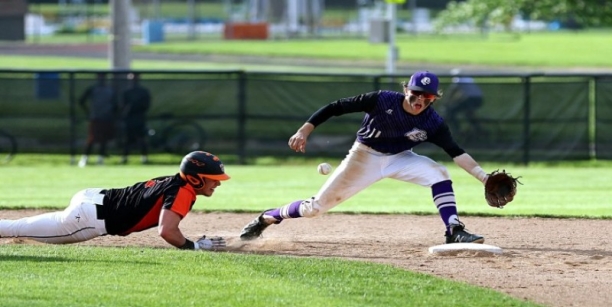
Defence wins games as much as offence does. Quick reaction time and sure hands make all the difference.
Ground Ball Triangle Drill
A coach or partner rolls balls to the player's left, right, and centre in sequence. The fielder works on moving their feet, getting low, and staying square to the ball. It's perfect for infielders learning to read hops and react quickly.
Short Hop Drill
Throw short, bouncing balls to the player from close range. This improves glove work and teaches players to keep their hands soft, adjusting to unpredictable bounces.
Barehand Drill
Without a glove, players field slow-rolled grounders using their bare hands. It’s a confidence-builder that develops touch and accuracy in transfers.
Throwing Drills For Accuracy And Strength
Strong, accurate throws are critical in every position, from infield to outfield.
Long Toss Program
Players gradually increase throwing distance in a controlled manner, building arm strength over time. It also improves throwing mechanics and stamina.
Quick Release Drill
Have the player field a ball and throw to a target with minimal setup time. This simulates in-game urgency and helps reduce throwing errors.
One-Knee Throws
From a kneeling position, players focus on upper body mechanics and follow-through. This isolates the throwing motion, promoting accuracy and proper arm action.
Base Running Drills For Speed And Awareness
Speed on the bases can change the outcome of a game. These drills focus on explosive starts and smart running.
Sprint Starts From Various Positions
Begin sprints from standing, crouched, or sideways stances to mimic different game situations. This builds quick acceleration and adaptability.
Lead-Off And Steal Drill
Players practice taking leads from first base and breaking toward second. The focus is on reading the pitcher’s movements and reacting instantly.
Rounding The Bases
Players run from home to third at full speed, practising efficient turns at each base. The goal is to keep momentum while shaving off precious seconds.
Catching Drills To Build Confidence Behind The Plate
Catchers have one of the most challenging jobs on the team. These drills help them block, frame, and throw with precision.
Blocking Drill With Tennis Balls
A coach bounces tennis balls in front of the catcher, who drops to their knees and blocks them using proper body positioning. This allows for repetition without the wear and tear of baseballs.
Framing Practice
Pitchers throw to specific corners of the strike zone, and the catcher works on subtly moving the glove to "present" the pitch favourably to the umpire.
Pop Time Drill
The catcher receives a pitch, springs up, and throws to second base. The goal is to improve reaction speed and throwing accuracy to catch stealing runners.
Reaction And Coordination Drills
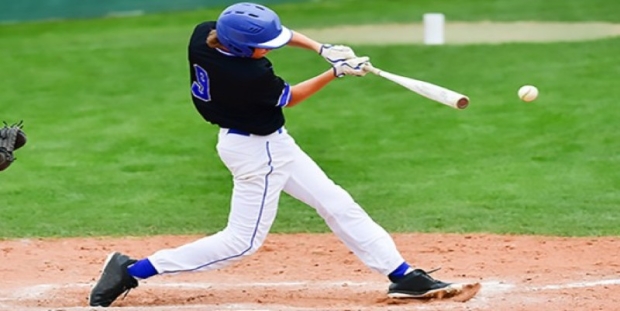
These drills train players to think and move faster, which can make the difference in split-second plays.
Colored Ball Drill
Use balls marked with different colours or numbers. The coach calls out a colour or number mid-flight, and the player must react accordingly — either catching or letting it pass. This builds quick decision-making.
Reaction Net Drill
Players throw a ball against a rebound net at close range, then react quickly to field the unpredictable return.
Hand-Eye Coordination With Small Balls
Using golf-sized or rubber balls for batting and catching forces players to concentrate more, making regular baseballs feel easier to hit or catch.
Team Drills For Game Simulation
Baseball is as much about teamwork as individual skill. These drills simulate real game scenarios to build communication and chemistry.
Cutoff Relay Drill
Players practice fielding balls deep in the outfield and making quick, accurate relay throws to infielders. This improves both throwing accuracy and teamwork in stopping base runners.
Situational Scrimmages
Coaches set up specific in-game situations — such as runners on second with one out — and let the team play it out. This develops strategic thinking and situational awareness.
Double Play Turns
Infielders work on smooth transfers from shortstop to second to first, aiming for speed and accuracy under pressure.
Keeping Drills Fun And Competitive
Baseball drills don’t have to feel like a chore. Adding friendly competition keeps players engaged.
Home Run Derby Practice
Players compete to hit the most balls over a set distance. This builds batting power while keeping spirits high.
Relay Races
Two teams compete to complete a series of fielding and throwing tasks the fastest. It sharpens skills while promoting teamwork.
Target Throw Challenge
Players aim for targets placed at different distances and angles. Points are awarded for accuracy, turning throwing practice into a game.
Building A Balanced Training Routine
No single drill covers all the skills baseball players need. A balanced practice routine includes hitting, fielding, throwing, running, and reaction work. Mixing drills regularly keeps training fresh and prevents players from falling into predictable patterns. It also ensures progress across all areas, making each player a more complete contributor on the field.